
8 Surprising Ways to Bring the Earth Indoors
Source
You don't need a wall of windows or a live-edge dining table to make a home feel connected to the natural world. Sometimes it's quieter than that.
One of the things I come back to again and again in my own design work is this idea that the most grounding, most livable spaces are the ones that borrow something from the outdoors. Not in a literal, ferns-everywhere kind of way. More like a whisper of it. A color pulled from the forest floor, a texture that reminds you of river stone, a material that ages the way wood does. When a home has that quality, you feel it the moment you walk in, even if you can't quite say why.
Here are eight ways to get there, some of them expected, some of them not.
01. Stone as a Surface, Not Just a Statement
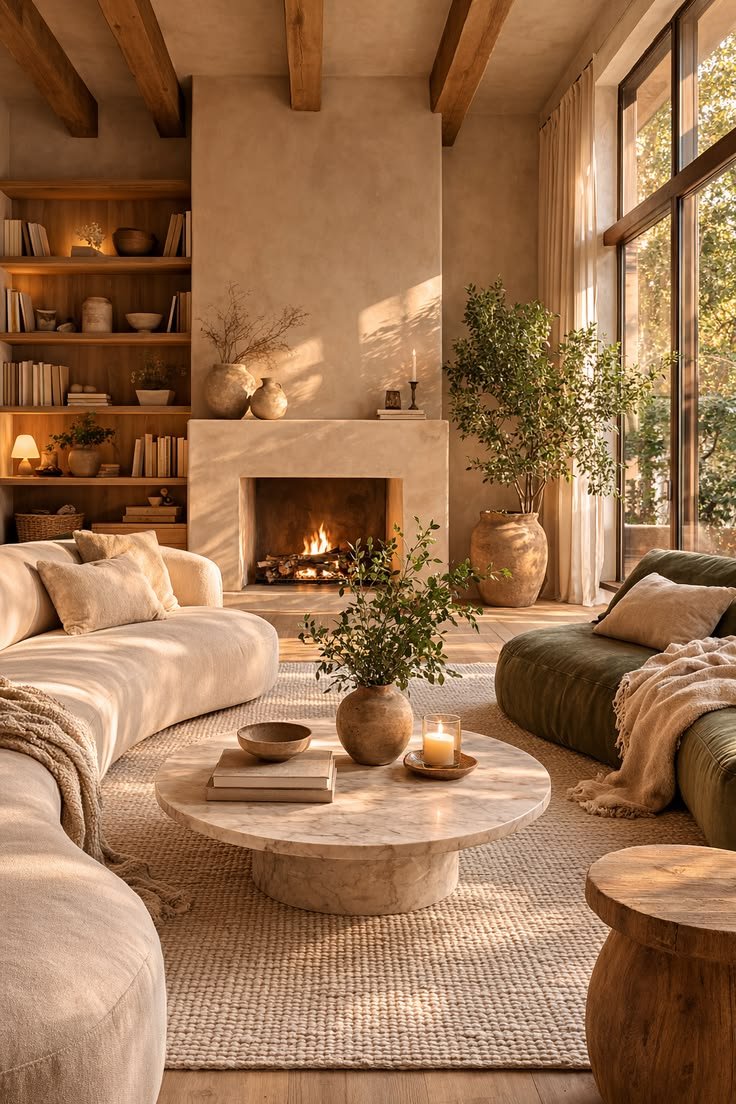
Most people think of stone as a countertop material and stop there. But stone works beautifully as a fireplace surround, a bathroom floor, an accent wall, even as small decorative objects grouped on a shelf. What it brings to a room is weight and permanence, a sense that the space is rooted in something real. Honed finishes tend to feel more organic than polished ones, and imperfect, veined varieties will always read as more alive than anything too uniform.
You don't have to go big. A single piece of travertine or soapstone tile used as a small hearth detail can shift the entire feeling of a room.
02. Linen and Wool Over Synthetics, Always
The fabrics you choose are doing more work than you realize. Linen and wool have a natural variation and texture that synthetics simply cannot replicate. They breathe, they soften over time, and they carry a warmth that reads as genuinely organic. Linen curtains that puddle slightly on the floor, a chunky wool throw over the arm of a chair. These aren't just cozy details. They are the difference between a room that feels finished and a room that feels alive.
Don't be afraid of natural wrinkle. It's part of what makes linen feel real rather than staged.
03. Bring in Wood at Every Scale
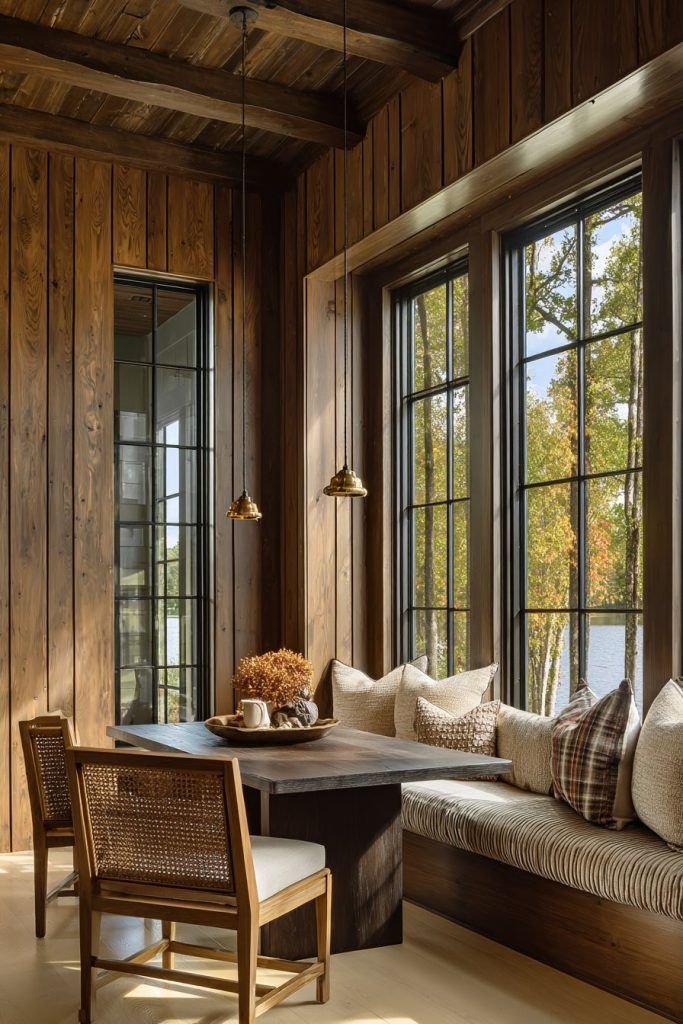
A wood floor is the obvious choice, and a great one. But wood can show up in so many other ways: a turned wooden lamp base, a raw-edged cutting board propped in the kitchen, a set of wooden frames grouped on a wall, cabinet hardware with wooden pulls. The more variation in grain, tone, and finish across the wood elements in a room, the more layered and considered the space will feel. Mixing species is not something to be afraid of.
Lighter woods and darker woods can absolutely coexist. Variety is what makes it feel collected rather than matched.
04. Earth Tones on the Walls (Yes, Really)
This connects to what I wrote about in the cabinet trends post, but it applies just as much to wall color. Terracotta, warm clay, mossy green, deep ochre. These colors are borrowed directly from the landscape and they behave beautifully in a home because they shift with the light throughout the day in a way that cooler, flatter colors simply don't. A terracotta dining room at golden hour is one of the most beautiful things a home can offer.
Test your samples at every time of day before committing. Earth tones are the most light-sensitive colors in the palette and they will surprise you.
05. Woven Textures and Natural Baskets
Rattan, seagrass, water hyacinth, jute. These materials have a looseness and an imperfection to them that immediately reads as natural. A woven pendant light over a kitchen island, a seagrass rug layered under a wool one, a few baskets used as actual storage in a living room. They add texture without adding visual noise, which is a rare and useful quality in a design.
Woven baskets are one of the most underrated storage solutions in a home. Beautiful and functional is always the goal.
06. Wallpaper Inspired by the Natural World
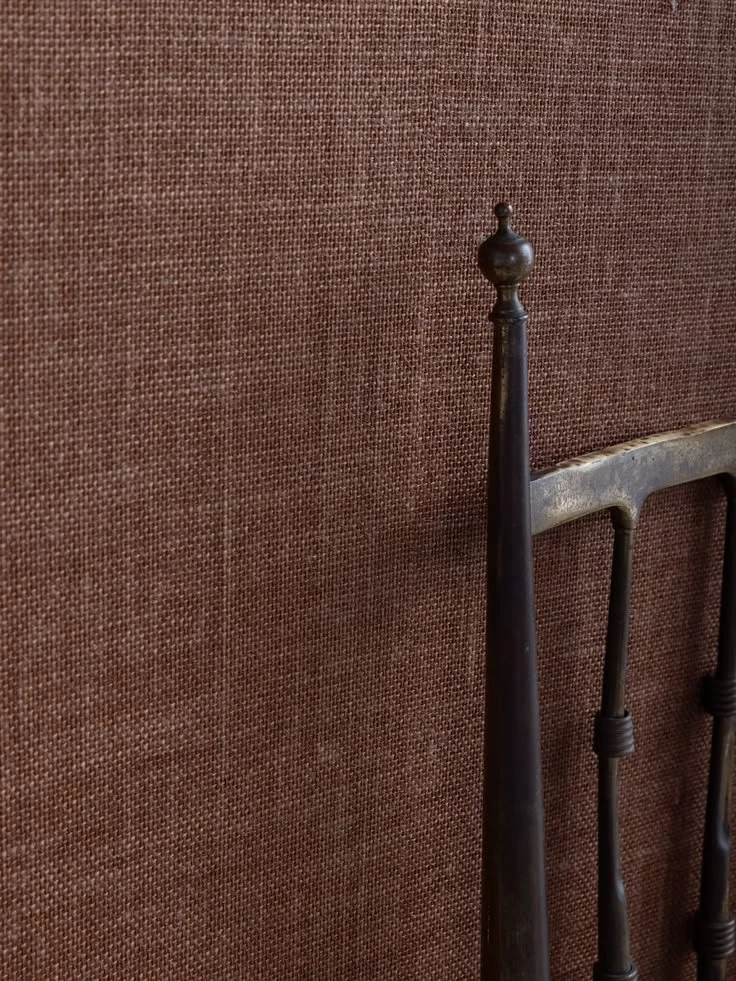
This is one I love recommending to clients who feel nervous about committing to color on the walls. A botanical print, a loose watercolor landscape, an abstract pattern that evokes bark or stone or water. The right wallpaper can transform a single room into something that feels like a whole experience. A powder bath or a small entry is often the perfect place to take that kind of risk, because the scale is contained and the impact is enormous.
One room with intention will always outperform five rooms that played it safe.
07. Plants, But Styled With Purpose
I know plants feel like the obvious answer here, and they are wonderful. But how you style them matters. A single large-scale plant in a beautiful vessel will do more for a room than a collection of small ones scattered without intention. Think about where a plant would actually make sense in the architecture of the space: a tall fiddle leaf or olive tree anchoring a corner, a trailing pothos on a high shelf, a simple stem or two in a ceramic bud vase on a bathroom counter.
Scale and placement first, then species. A beautiful pot goes a long way toward making even a simple plant feel considered.
08. Objects With a Story From the Natural World
This one is my favorite, and the most personal. Rocks collected on a meaningful hike. A piece of driftwood that came home from a beach trip. A ceramic bowl that looks like it was formed from river clay. Shells, fossils, feathers, seed pods. These objects carry memory and they carry the outdoors with them in a way that no purchased item quite can. A home that has a few of these tucked into its shelves and surfaces always feels more layered and more loved than one that doesn't.
You don't need a lot of them. A few things with meaning, placed intentionally, will do more than a whole shelf of pretty objects that don't belong to anyone.
The throughline in all of this is the same thing I come back to in every project: the natural world is endlessly beautiful, and borrowing from it is one of the most reliable ways to make a home feel like a place you genuinely want to be. You don't have to overhaul anything. Start with one room, one material, one object that feels right. That's always how the best spaces begin.
If you're ready to start thinking about your home in a new way, fill out the project inquiry form as the first step in determining if your project will be a good fit for our firm.
