
Design Mistakes I'll Never Let You Make
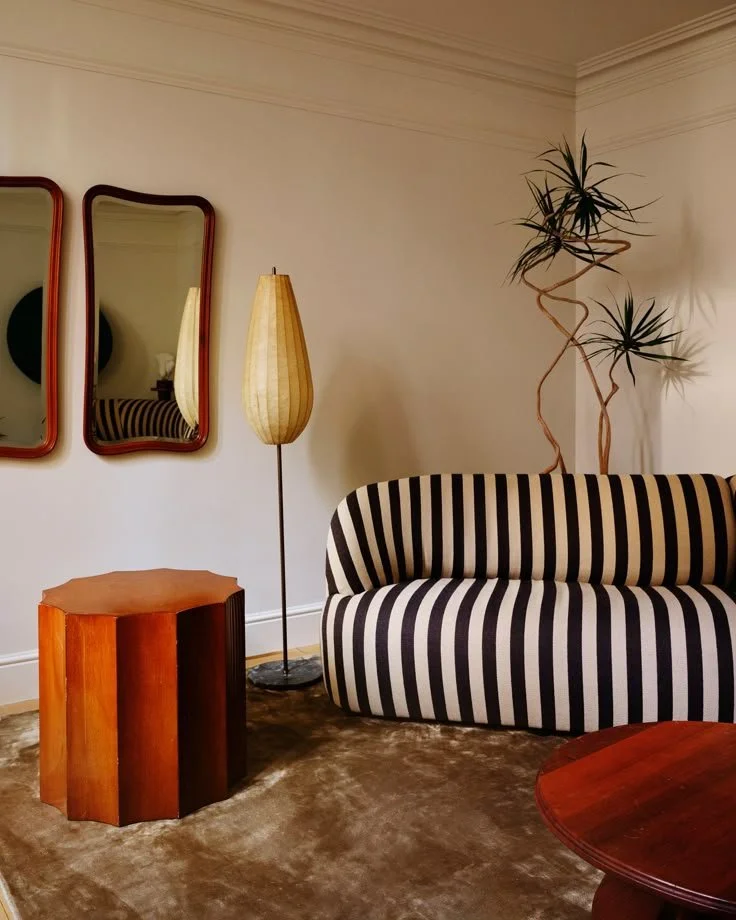
Consider this your friendly intervention, from someone who has seen things.
I got into interior design because I genuinely love helping people create homes that feel like them. But if I'm being honest, a big part of what I do is also this: quietly steering you away from the decisions you would absolutely regret in six months. Sometimes loudly steering you, depending on the situation.
These aren't obscure technicalities. They're the mistakes I see over and over again by well-meaning people with good taste who just didn't know what they didn't know. So here it is, out in the open.
01. Buying a Sofa Before You Have a Floor Plan
I cannot tell you how many times someone has shown up to our first meeting and mentioned, almost as an aside, that they already bought the sofa. It's beautiful. It's also the wrong size for the room, facing the wrong direction, and now we're designing everything around a piece that was never meant to anchor the space. Furniture is not the starting point. Layout is. Always, always start with a floor plan.
The sofa you love will still exist after you've figured out your room dimensions. I promise.
02. Underestimating the Power of Lighting
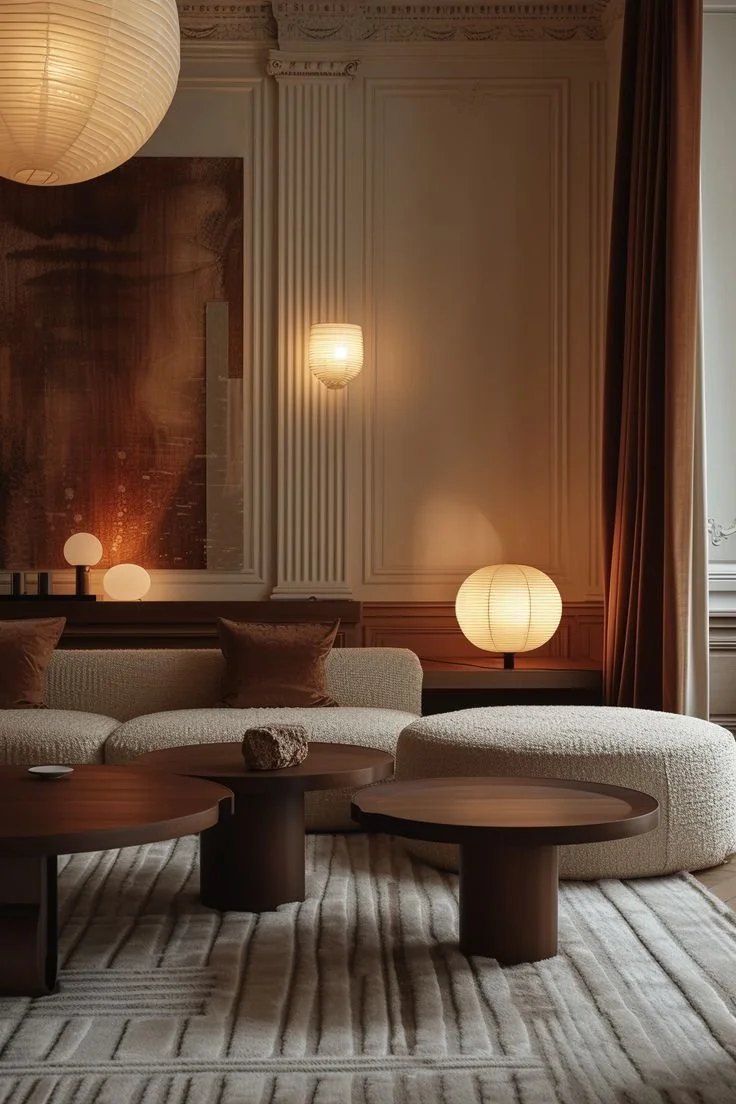
Lighting is the single most transformative element in a home and somehow still the most overlooked. People spend weeks agonizing over tile and then accept whatever builder-grade fixtures came with the house. Here's the truth: you can have the most beautiful finishes in the world and bad lighting will make them look flat and lifeless. The inverse is also true. Good lighting makes an average room feel elevated and warm. It deserves real attention and a real budget.
Three layers: ambient, task, and accent. If your room only has one, it's not done.
03. Choosing The Paint Color First
Paint should be one of the last decisions you make, not the first. I know that feels backwards. It seems like the logical starting point. But paint is the most flexible and affordable element in any room, which means it should respond to everything else: your flooring, your furniture, your fabrics, the natural light at different times of day. When you lock in a wall color before all of that is figured out, you're setting yourself up to fight it the whole way through.
Pick your rug or your sofa fabric first. The right paint color will become very obvious very quickly.
04. Going Too Small on Rugs
A rug that's too small for a space is one of the most common and most visually jarring mistakes in interior design. When a rug only fits under the coffee table and nothing else, it looks like a fuzzy puddle in the middle of the room. A properly sized rug anchors the furniture, defines the space, and makes everything feel intentional. If you're unsure, almost always go bigger than your instinct tells you to.
Tape out the dimensions on your floor before you buy. It takes five minutes and will save you from a very expensive mistake.
05. Ignoring Scale and Proportion
A gorgeous piece of furniture can completely destroy a room if it's the wrong scale. A giant sectional in a small living room, a tiny dining table in a large open-plan space, a lamp that disappears next to an oversized chair. These things feel off even when you can't quite articulate why. Your eye knows when the proportions are wrong. Being able to think in terms of scale before committing to a piece is one of the most valuable things I bring to the table.
Bringing a designer in before you shop, not after, is where the real money is saved.
06. Skipping the Finishing Touches
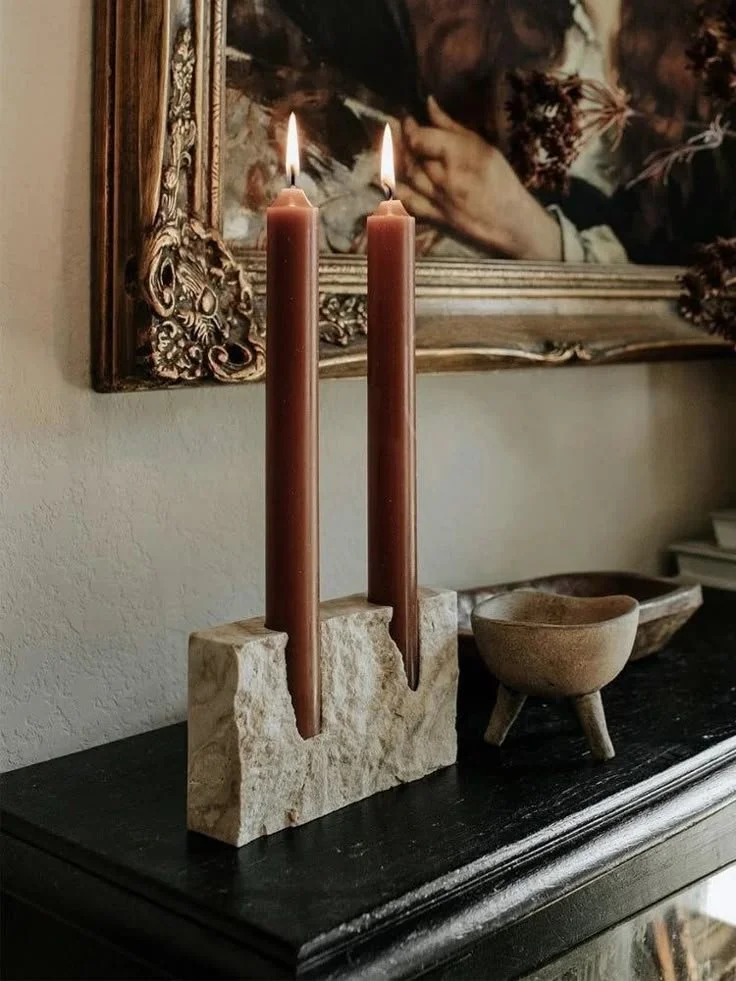
This one breaks my heart a little because it happens so often. A beautiful renovation gets completed, the big furniture goes in, and then people just stop. No art, no textiles, no objects with meaning or personality. The room looks like a showroom instead of a home. Those finishing layers, like the throw draped over the chair, the stack of books, or the piece of art that means something to you, are not optional extras. They're what makes a space feel lived-in and loved.
A beautiful home is never truly finished, and that's actually the best part. Give yourself permission to add to it slowly and intentionally over time.
Here's what I want you to take away from all of this: none of these mistakes come from bad taste. They come from not having the right information at the right time. That's exactly what I'm here for.
If you're starting a project and want to make sure you're set up for decisions you'll love long-term, let's talk. Fill out the project inquiry form as the first step in determining if your project will be a good fit for our firm.
